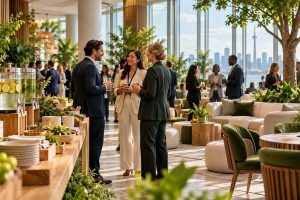
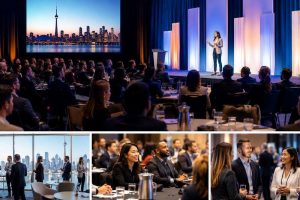
The traditional concept of event venues as single-purpose spaces reserved for occasional gatherings is rapidly evolving. Across Canada and beyond, we’re witnessing a fundamental transformation in how communities design, utilize, and think about gathering spaces. Modern community event spaces are emerging as dynamic, flexible environments that serve multiple functions throughout the day and week, responding to diverse community hubs needs while maximizing resource efficiency.
This shift reflects changing social patterns, economic pressures, and a growing recognition that strong communities require accessible, adaptable spaces where people can connect, learn, celebrate, and collaborate. The evolution from static, underutilized facilities to vibrant multi-purpose hubs represents one of the most significant developments in community planning and social infrastructure in recent decades.
The Drivers Behind This Transformation
Several powerful forces are driving the transformation of event venues into comprehensive community hubs. Economic sustainability stands foremost among these factors. Traditional single-purpose venues sit empty much of the time, representing inefficient use of valuable real estate and community resources. A banquet hall used only for weekend weddings and occasional corporate events generates revenue, perhaps fifteen to twenty percent of available hours. The fixed costs of maintaining facilities—property taxes, utilities, insurance, maintenance—continue regardless of usage rates, creating financial strain on owners and communities.
By expanding functionality to accommodate diverse activities, multi-purpose venues dramatically improve utilization rates and financial viability. A space hosting yoga classes in the morning, business meetings at midday, children’s programs in the afternoon, and social events in the evening transforms from an occasional-use facility into a daily community resource generating consistent revenue and justifying its existence through constant activity.
Changing social patterns also fuel this evolution. Modern communities increasingly value spaces that foster connection and combat social isolation. People seek environments where they can engage with neighbors, pursue interests, access services, and participate in community life. Single-purpose venues inherently limit these opportunities, while flexible spaces accommodate the full spectrum of human interaction and community activity.
Urbanization and space constraints in growing cities make efficient land use imperative. Communities cannot afford to dedicate separate facilities for every possible function when real estate costs continue climbing. Multi-purpose design allows communities to provide comprehensive services within realistic space and budget constraints, ensuring residentshave access to needed amenities without requiring vast expanses of underutilized buildings.
Design Innovations Enabling Flexibility
The transformation of community event spaces into multi-purpose hubs requires thoughtful design incorporating flexibility at fundamental levels. Modern venues feature movable walls and partitions that reconfigure spaces from large open areas for concerts and trade shows into smaller rooms for workshops, meetings, and classes. These systems operate easily, allowing quick transformations between uses without requiring professional setup crews or extensive time.
Flexible furniture plays an equally crucial role. Stackable chairs, folding tables, and modular seating arrangements allow the same space to accommodate formal dinners, classroom-style learning, theatre seating, or open floor plans for fitness classes and dancing. Storage solutions integrated into building design ensure furniture not currently in use can be efficiently stored without cluttering spaces or requiring off-site warehousing.
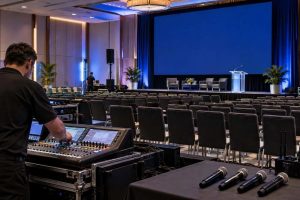
Advanced audio-visual systems and technology infrastructure support diverse programming needs. High-quality sound systems, projectors, screens, lighting controls, and robust internet connectivity enable everything from business presentations to theatrical performances to virtual meetings. Intuitive control systems allow users with varying technical expertise to operate these systems confidently, eliminating barriers that might otherwise prevent certain groups from utilizing spaces effectively.
Kitchen facilities are designed for flexibility support both catered events and community cooking programs, coffee service for meetings, and full meal preparation for celebrations. Commercial-grade equipment handles high-volume catering while remaining accessible for smaller-scale uses. Some innovative venues incorporate demonstration kitchens that serve both as practical food preparation areas and as educational spaces for cooking classes and nutrition programs.
Programming Diversity in Modern Community Hubs
The true test of successful multi-purpose venues lies in the diversity of programming they accommodate. Morning hours might feature fitness classes, parent-and-child programs, or business networking breakfasts. These early activities attract community members before work or during flexible morning schedules, creating energy and establishing venues as integral parts of daily routines rather than occasional destinations.
Midday programming often includes business meetings, professional development workshops, lunch-and-learn sessions, and service organization gatherings. These uses tap into the professional community while accommodating remote workers seeking meeting spaces and connection beyond home offices. Libraries and co-working spaces within multi-purpose venues provide additional daytime functionality serving evolving work patterns.
Afternoon schedules typically emphasize children and youth programming. After-school programs, homework clubs, arts and crafts activities, and sports programs fill hours between school dismissal and parent pickup times. These services address critical childcare needs while introducing young people to community spaces they’ll continue using throughout their lives.
Evening hours bring the traditional event venue functions—weddings, banquets, concerts, theatre productions, and celebrations—alongside adult education classes, hobby clubs, and community meetings. Weekend programming often features festivals, markets, sports tournaments, and family-oriented activities that draw diverse crowds and create vibrant community gathering experiences.
Event Trends in Canada Shaping Venue Evolution
Several distinctive event trends in Canada are particularly influencing how venues evolve into community hubs. The emphasis on local community events has grown significantly as people seek authentic, accessible experiences within their own neighborhoods rather than always traveling to downtown entertainment districts or commercial venues. This trend rewards venues that position themselves as neighborhood anchors serving surrounding communities with convenient, affordable programming.
Sustainability consciousness increasingly influences venue design and operations. Energy-efficient buildings, renewable energy sources, water conservation systems, and waste reduction programs align with Canadian values and attract environmentally conscious users. Green spaces integrated with indoor facilities, rooftop gardens, and natural lighting reduce environmental impact while creating more appealing, healthy environments.
Cultural diversity and inclusion have become central to Canadian event planning and venue operations. Successful multi-purpose venues accommodate cultural celebrations, religious observances, language-specific programming, and diverse dietary requirements. Design considerations ensuring physical accessibility, cultural sensitivity in decor and facilities, and programming that reflects community demographics demonstrate commitment to genuine inclusivity.
The rise of hybrid events combining in-person and virtual participation has permanently changed event expectations. Venues investing in streaming capabilities, remote participation technologies, and spaces designed to support both physical and digital audiences position themselves for continued relevance as hybrid formats become standard rather than exceptional.
Economic Impact on Local Communities
The transformation of venues into multi-purpose community hubs generates significant economic benefits extending far beyond the facilities themselves. Increased venue utilization creates employment for event coordinators, technical staff, custodians, security personnel, and program instructors. These jobs often provide flexible hours accommodating students, parents, and individuals seeking part-time work, contributing to diverse employment opportunities within communities.
Local businesses benefit from the consistent foot traffic vibrant community event spaces generate. Restaurants, cafes, shops, and service providers near active venues see increased customers drawn to areas by events and programming. This economic clustering effect revitalizes neighborhoods and creates sustainable local business ecosystems that might not survive without the anchor presence of busy community facilities.
Property values in neighborhoods surrounding successful community hubs typically increase as desirable amenities attract homebuyers and renters. Families particularly value proximity to facilities offering children’s programs, recreational opportunities, and social connections. This property value enhancement benefits existing homeowners while expanding municipal tax bases that fund additional community services.
The economic efficiency of multi-purpose design also allows communities to invest in quality facilities that would be financially unsustainable as single-purpose venues. Rather than choosing between inadequate spaces or unsustainable costs, communities can build excellent facilities confident that diversified revenue streams and high utilization rates will justify investments.
Technology Enabling Transformation
Modern technology plays an indispensable role in enabling venues to function effectively as multi-purpose hubs. Online booking systems allow community members to reserve spaces, view availability, process payments, and manage their events without requiring extensive staff interaction. These systems operate twenty-four hours daily, accommodating people’s busy schedules while reducing administrative burdens on venue operators.
Digital marketing and communication tools help venues reach diverse audiences and promote varied programming effectively. Social media, email newsletters, website calendars, and mobile apps ensure community members stay informed about opportunities to engage with facilities. Targeted communications allow venues to reach specific demographics with relevant programming announcements rather than relying on generic mass marketing.
Building management systems optimize energy use, lighting, climate control, and security based on actual space utilization. These smart building technologies reduce operating costs while maintaining comfortable, safe environments. Automated systems adjust conditions as spaces transition between uses, ensuring appropriate settings for different activities without manual intervention.
Point-of-sale systems and membership management software streamline revenue collection and participant tracking. These tools provide data about usage patterns, popular programs, demographic trends, and financial performance that inform strategic planning and continuous improvement efforts.
Challenges and Solutions in Multi-Purpose Operations
Despite their benefits, operating successful multi-purpose venues presents challenges requiring thoughtful solutions. Scheduling conflicts inevitably arise when diverse users compete for limited space and time slots. Sophisticated booking systems with transparent availability, clear policies prioritizing different user types, and flexible scheduling processes help manage these conflicts fairly while maximizing utilization.
Maintaining spaces that accommodate diverse uses requires more complex cleaning, setup, and maintenance protocols than single-purpose facilities. Professional facility management, adequate custodial staffing, and user education about proper space usage and cleanup expectations ensure facilities remain in excellent condition despite intensive, varied use.
Balancing commercial revenue-generating events with subsidized community programming requires careful financial planning and policy development. Many successful venues adopt tiered pricing structures, charging market rates to corporate users and private events while offering reduced rates or free access to nonprofit organizations, community groups, and programs serving underserved populations.
Managing noise, parking, and neighborhood impact becomes more complex when venues operate continuously rather than occasionally. Good neighbor policies, sound mitigation measures, transportation alternatives including shuttle services and bicycle facilities, and ongoing community dialogue address concerns while maintaining positive relationships with surrounding residents.
The Future of Community Event Spaces
Looking ahead, the evolution of community event spaces into multi-purpose hubs will likely accelerate and deepen. Emerging trends suggest future venues will integrate even more comprehensively with community life, potentially incorporating elements like health clinics, library branches, maker spaces with specialized equipment, innovation labs, social services, and co-working facilities within comprehensive community campuses.
Partnerships between municipalities, nonprofits, educational institutions, and private sector entities will increasingly fund, develop, and operate these complex facilities. These collaborative models pool resources, expertise, and audiences to create venues that no single entity could successfully operate independently.
Climate change adaptation will influence design as venues incorporate resilience features like backup power, water storage, cooling centers for extreme heat, and warming centers for cold emergencies. Community hubs may increasingly serve as disaster response centers, recognizing that facilities already serving as community gathering points logically extend into emergency support roles.
The continued evolution of work patterns with more remote and flexible employment will make daytime utilization of community event spaces increasingly important. Venues offering co-working amenities, meeting rooms, and professional networking opportunities will serve the growing population working outside traditional offices while seeking social connection and professional infrastructure.
Conclusion
The transformation of event venues into multi-purpose community hubs represents far more than an architectural or operational trend—it reflectsan evolving understanding of what creates vibrant, connected, resilient communities. By maximizing resource efficiency, accommodating diverse needs, fostering social connection, and adapting to changing patterns of work and life, these flexible spaces demonstrate how thoughtful design and programming can strengthen the social fabric that binds communities together.
The shift from occasional-use facilities to daily-destination hubs makes these spaces integral to community life rather than peripheral amenities. As event trends in Canada continue emphasizing local, accessible, inclusive experiences, the venues successfully transforming into genuine multi-purpose community centers will increasingly define neighborhood character and quality of life.
Whether hosting local community events, providing spaces for daily activities, supporting local businesses, or serving as emergency response centers, these evolved facilities prove that the best investments in community infrastructure are those serving multiple purposes and diverse populations.
The future belongs to venues that recognize their potential as comprehensive community resources rather than simple event locations, and communities investing in this vision will reap rewards measured not just in utilization rates and revenue, but in the strength of connections, opportunities, and shared experiences that define thriving communities.
Frequently Asked Questions
Q1. What is a multi-purpose event venue?
A: A multi-purpose event venue is a flexible facility designed to accommodate diverse activities and events, including weddings, conferences, classes, sports, performances, meetings, and community programs. Adaptable spaces, movable walls, flexible furniture, and comprehensive technology support varied uses within a single location.
Q2. Why are community event spaces growing in demand?
A: Community event spaces are growing in demand due to increased desire for local gathering places, need for efficient resource utilization, emphasis on social connection, combating isolation, urbanization requiring multi-functional facilities, and recognition that accessible community spaces strengthen neighborhoods and quality of life.
Q3. What events can be hosted in a community centre?
A: Community centres can host weddings, corporate meetings, fitness classes, children’s programs, cultural celebrations, workshops, concerts, sports activities, markets, festivals, educational programs, social services, hobby clubs, banquets, performances, and countless other gatherings serving diverse community needs and interests.