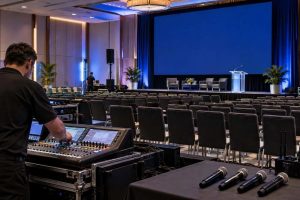
Hosting impactful corporate events is one of the most effective ways businesses can build brand reputation, strengthen client relationships, and encourage meaningful collaboration. Whether it’s a small team gathering, high-profile board meeting, or multi-day business conference, the quality of the event reflects directly on your company. With the right planning, professional coordination, and well-designed meeting spaces, you can create an experience that attendees remember long after they leave.
Today’s organizations are investing more in strategic event management because corporate gatherings are no longer just about presentations and handshakes—they are about building engagement, fostering innovation, and leaving a strong impression on employees, clients, and partners. A successful event requires thoughtful execution, creativity, and an environment that supports productivity and connection.
Why Corporate Events Matter More Than Ever
Modern corporate events serve multiple purposes: celebrating achievements, aligning teams, training employees, launching new products, and strengthening relationships. They also offer opportunities for organizations to demonstrate professionalism and leadership. When handled correctly, they enhance brand identity and help people feel more connected to the company’s mission.
As companies grow, so does the need for impactful environments. High-quality meeting spaces, equipped with reliable technology, comfortable seating, and flexible layouts, play a crucial role in determining the smoothness of an event. Professionals value convenience, accessibility, and an atmosphere that inspires communication.
Elements of a Successful Corporate Event
Hosting memorable corporate events requires attention to detail, creativity, and strong coordination. A well-designed experience typically includes the following components:
1. Clear Objectives and Purpose
Every event should start with a clear goal. Are you hosting a seminar to educate employees? A product launch? Networking for new partnerships? Clear objectives help guide decisions related to venue, agenda, speakers, and activities.
2. Professional Event Management
Strong event management ensures everything runs smoothly—from registration and logistics to audiovisual setup and hospitality services. Skilled planners bring expertise in scheduling, coordination, and troubleshooting. This allows hosts to focus on engaging with guests rather than solving problems behind the scenes.
3. Choosing the Right Meeting Spaces
Quality meeting spaces set the tone for the entire event. The best venues offer:
- Flexible room layouts
- High-speed internet
- Modern AV equipment
- Comfortable seating
- Reliable climate control
- On-site support
Whether you’re hosting team workshops or larger business conferences, the environment should encourage focus, collaboration, and connection.
4. Engaging Content and Speakers
A compelling agenda is essential. Strong keynote speakers, interactive workshops, and relevant discussion topics keep attendees engaged. Content should be tailored to the audience and aligned with the event’s purpose.
5. Quality Hospitality and Catering
Good food and exceptional service elevate any corporate gathering. Guests appreciate accessible refreshments, breaks, and meals that support networking. These small touches help create a pleasant and memorable experience.
Hosting Successful Business Conferences
Large-scale business conferences require even more planning and coordination. With multiple sessions, breakout rooms, guest speakers, and networking opportunities, the stakes are higher—and so are the expectations.
Key factors for planning effective conferences include:
1. Scalable Event Management Infrastructure
For bigger events, strong event management teams become essential. They help organize attendee flow, manage registration, handle technical glitches, and coordinate schedules so every session runs on time.
2. Venue Size and Layout
Conference venues should offer:
- Large main halls
- Breakout rooms
- Lounge areas
- Food service areas
- Professional meeting spaces for smaller discussions
Choosing an adaptable venue helps accommodate different session sizes and guest needs.
3. Technology and AV Support
Conferences depend heavily on microphones, speakers, projectors, lighting, and digital screens. Reliable technology ensures presentations run smoothly and contributes to a polished, professional environment.
How Event Management Enhances the Experience
Effective event management brings structure, creativity, and professionalism to your event. Planners manage everything from concept development to post-event evaluations. Their expertise helps improve attendee satisfaction, reduce operational risks, and ensure events reflect your brand’s excellence.
When managing corporate events, professional planners also help:
- Coordinate vendors
- Manage time schedules
- Organize décor and branding
- Oversee hospitality
- Maintain smooth attendee flow
This level of coordination ensures each moment of your event feels seamless and intentional.
The Importance of Choosing the Right Environment
Whether hosting internal training sessions or large-scale business conferences, the environment directly affects the success of your event. Well-designed meeting spaces make communication easier, keep attendees comfortable, and allow for dynamic presentations. The right venue elevates professionalism and makes a lasting impression on guests.
A great corporate event is not only about logistics—it’s about delivering an experience that builds trust, inspires teams, and strengthens business relationships.
Final Thoughts
Hosting successful corporate events requires planning, creativity, and strong execution. With the right event management strategy, engaging content, and professional meeting spaces, your organization can create memorable experiences that truly stand out. Whether you’re planning intimate workshops or large business conferences, thoughtful preparation ensures your event enhances your brand and leaves attendees inspired and impressed.
FAQ’s
Q1. What makes a successful corporate event?
A: Clear objectives, strong event management, engaging content, and the right meeting spaces contribute significantly to hosting successful corporate events.
Q2. How do you plan a corporate conference?
A: Start by defining goals, selecting a suitable venue, organizing logistics, coordinating speakers, and relying on professional planners who specialize in business conferences and event management.