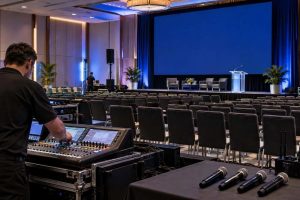
Hosting a live performance, corporate presentation, film screening, or community show requires more than just a stage and an audience. A successful theatre event depends on the right venue, professional equipment, and seamless logistics. From the sound system to seating arrangements, every detail shapes the audience experience. That is why choosing the right theatre venue rental is one of the most important decisions you will make when planning your production.
Whether you are organising a concert, conference, or stage event, understanding how theatres operate can help you avoid technical issues and deliver a polished performance. This guide covers everything you need to know about selecting an event theatre, setting up equipment, and managing a show night smoothly.
Why the Right Theatre Venue Matters
Not all venues are created equal. Community halls or open spaces might seem affordable, but they often lack proper acoustics, lighting, and technical support. A professional event theatre is designed specifically for performances, making it easier to manage sound, visuals, and audience comfort.
When you invest in a quality theatre venue rental, you gain access to built-in infrastructure such as stage lighting, projectors, seating layouts, and an integrated sound system. These features reduce setup time and help ensure your event looks and sounds professional.
The venue itself becomes part of the experience. Clear sightlines, comfortable seating, and good acoustics make it easier for audiences to stay engaged from start to finish.
Sound System Essentials for Any Theatre Event
Audio quality can make or break your event. Even the best performance loses impact if the audience cannot hear clearly. A reliable sound system is therefore a top priority for any stage event.
Most event theatre spaces offer installed speakers, microphones, and mixing consoles. However, you should still confirm what equipment is included with your theatre venue rental. Depending on your needs, you may require wireless microphones, lapel mics, monitor speakers, or additional amplifiers.
Proper sound checks are also critical. Testing microphones and adjusting levels before guests arrive helps prevent feedback, distortion, or uneven volume. Positioning speakers strategically ensures balanced sound throughout the room, not just near the stage.
If your event includes music or multiple presenters, consider hiring a sound technician. Their expertise can significantly improve audio clarity and reduce technical stress during the show.
Screen and Visual Setup
Many modern theatre event includes video presentations, slideshows, or multimedia elements. A high-quality screen and projection system enhances communication and keeps audiences visually engaged.
Before finalising your theatre venue rental, verify the size and resolution of the screen. Make sure it suits your content and is visible from all seating areas. Test your laptop or media device with the venue’s system to avoid compatibility issues.
Lighting also plays a major role. Stage lights should highlight performers without washing out the screen. Balancing lighting and projection is essential for a professional-looking stage event.
Seating and Audience Comfort
Comfortable seating might seem like a minor detail, but it directly affects audience satisfaction. Hard or cramped seating can distract guests and shorten their attention spans.
A well-designed event theatre typically offers tiered seating, allowing everyone a clear view of the stage. When evaluating Algonquin Park accommodations, you think about comfort, and the same principle applies here. In a theatre setting, sightlines and spacing matter just as much.
Consider your event type when planning seating. Conferences may require tables or extra space for note-taking, while performances benefit from traditional theatre rows. Flexible layouts are a big advantage when selecting a theatre venue rental.
Also, to account for accessibility. Ensure pathways, entrances, and seating options accommodate all guests comfortably.
Stage Event Logistics and Planning
Behind every smooth stage event is careful planning. Logistics often determine whether a show feels effortless or chaotic.
Start by creating a detailed schedule. Include setup times, rehearsals, sound checks, and doors opening. Coordinating with venue staff ensures everyone understands their responsibilities.
Loading equipment in and out efficiently is also important. Ask about backstage access, storage areas, and dressing rooms. Professional event theatre spaces often include these featureswhich simplificationnn.
Assign clear roles to your team, such as stage manager, technical operator, and guest coordinator. Having dedicated people responsible for specific tasks reduces confusion on show night.
Finally, always have backups. Extra cables, batteries, and microphones can save you from unexpected problems.
Choosing the Best Theatre Venue Rental
When comparing venues, look beyond price. Consider included equipment, technical support, acoustics, and capacity. A slightly higher-cost theatre venue rental may offer built-in features that save you money on external rentals.
Visit the space in person if possible. Walk through the audience area, test the sound system, and evaluate the stage size. Seeing the venue firsthand helps you make informed decisions and ensures it meets your event’s needs.
Frequently Asked Questions
Q1. What equipment is needed for a theatre event?
A: A typical theatre event requires a reliable sound system, microphones, speakers, stage lighting, projection or screen equipment, and seating arrangements. Many event theatre spaces include these essentials as part of the theatre venue rental, but always confirm what is provided before booking.
Q2. How do you improve sound quality in an event space?
A: To improve sound quality, use a professional sound system, conduct thorough sound checks, position speakers properly, and reduce echo or feedback. Hiring a sound technician for your stage event can also ensure clear and balanced audio throughout the venue.
By selecting the right theatre venue rental and planning your technical setup carefully, you can deliver a memorable event that looks professional, sounds great, and runs smoothly from start to finish.