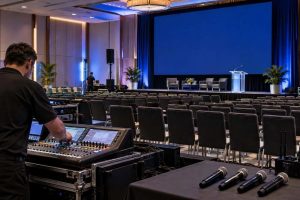
A successful trade show depends heavily on thoughtful planning and precise execution. From organizing booth layouts to managing crowd movement and ensuring sufficient power supply, every detail matters. Choosing the right trade show venue and preparing it properly can significantly improve exhibitor satisfaction and attendee engagement. Whether you are hosting a small exhibition or a large-scale industry event, understanding how to manage the expo hall, design an effective event floor plan, and support vendor booths is essential.
Understanding the Importance of the Trade Show Venue
The trade show venue forms the backbone of the entire event. Its size, layout, ceiling height, accessibility, and technical infrastructure directly impact how the show is experienced. A well-equipped venue allows organizers to efficiently allocate space, accommodate exhibitor needs, and maintain safety standards.
Modern venues often offer flexible layouts that can be customized based on the type of exhibition. Selecting a trade show venue that aligns with your event goals makes it easier to manage logistics, improve attendee flow, and create a professional atmosphere.
Planning the Expo Hall Layout
The expo hall is the central space where exhibitors and attendees interact. A well-planned hall layout improves navigation and ensures equal exposure for exhibitors. Organizers should begin by reviewing entrances, exits, fixed structures, and emergency pathways.
Dividing the expo hall into zones based on industry categories or themes helps visitors find relevant booths easily. Amenities such as rest areas, food stations, and presentation zones should be positioned to distribute traffic evenly across the venue.
Designing an Effective Event Floor Plan
A detailed event floor plan is critical for maximizing space and minimizing congestion. This plan should outline booth dimensions, aisle widths, emergency exits, and accessibility routes. Clear spacing ensures smooth movement and enhances safety.
An effective event floor plan also considers visual balance. High-traffic areas can feature larger or anchor exhibitors, while evenly spaced aisles ensure that all vendor booths receive adequate exposure. Clear signage integrated into the floor plan further improves navigation.
Strategic Placement of Vendor Booths
The arrangement of vendor booths plays a major role in exhibitor success. Booth placement should be fair, organized, and designed to encourage interaction. Corner booths and end-cap positions are highly desirable due to increased visibility.
To avoid overcrowding, organizers should distribute premium booth locations evenly throughout the trade show venue. Maintaining consistent alignment and spacing between vendor booths creates a polished and professional look that benefits the entire event.
Managing Traffic Flow for a Better Experience
Effective traffic flow keeps attendees engaged and ensures that all exhibitors receive foot traffic. Poor flow design can result in congested aisles and overlooked booths. A well-planned expo hall encourages natural movement through the entire space.
Loop-style layouts are commonly used because they guide visitors past every booth without dead ends. Strategically placing attractions such as stages or interactive areas within the event floor plan helps draw visitors into less crowded sections of the hall.
Power and Technical Planning for Trade Shows
Power availability is one of the most critical logistical elements of a trade show venue. Exhibitors depend on electricity for lighting, digital displays, demonstrations, and equipment. Insufficient power planning can disrupt operations and damage exhibitor confidence.
Organizers should map power sources carefully across the expo hall and coordinate with venue technicians to ensure capacity meets demand. Providing clear power guidelines to exhibitors in advance reduces last-minute issues and supports smooth setup.
Supporting Vendor Needs at the Venue
Exhibitors expect venues to provide more than just floor space. Essential requirements include power access, internet connectivity, loading docks, storage areas, and clear setup and teardown schedules. A well-prepared trade show venue anticipates these needs and communicates them clearly.
Sharing the event floor plan early allows vendors to design their booths effectively. When vendor booths are well-supported, exhibitors are more likely to participate again and recommend the event to others.
Common Mistakes to Avoid in Trade Show Setup
One frequent mistake is overcrowding the expo hall, which can make navigation difficult and reduce engagement. Another is underestimating power and technical requirements. Inadequate planning for vendor booths and utilities can lead to delays and dissatisfaction.
Avoiding these issues requires detailed preparation, collaboration with venue staff, and ongoing communication with exhibitors.
Final Thoughts
A successful trade show begins with selecting the right trade show venue and executing a thoughtful setup strategy. From organizing the expo hall to creating a practical event floor plan and supporting vendor booths, every decision impacts the event’s outcome. By focusing on traffic flow, technical needs, and vendor support, organizers can create a seamless, engaging, and professional trade show experience that benefits everyone involved.
FAQ’s
Q1. How do you plan a trade show layout?
A: Planning a trade show layout starts with analyzing the trade show venue and defining event goals. Organizers create an event floor plan that considers traffic flow, booth sizes, aisle widths, and safety regulations. Strategic placement of vendor booths and attractions ensures balanced visibility and smooth movement.
Q2. What do vendors need from a venue?
A: Vendors need reliable infrastructure such as power, internet access, loading and unloading areas, and clear setup instructions. A well-organized expo hall and transparent communication about the event floor plan help vendors operate efficiently and focus on engaging attendees.